

About Us
The Society for Mexican American Philosophy (SMAP) is a community dedicated to exploring and advancing Mexican, Mexican American, and indigenous philosophical traditions. Through scholarship, dialogue, and advocacy, we examine critical issues of social justice, identity, citizenship, and decolonial thought. Committed to inclusivity and intellectual rigor, we strive to challenge oppression, inspire action, and shape the future of philosophical inquiry.
Descubre SMAP
La Sociedad de Filosofía Mexicano Americana (SMAP) es una comunidad dedicada a la exploración y promoción de las tradiciones filosóficas mexicanas, mexicoamericanas e indígenas. Mediante la investigación, el diálogo y la defensa de los derechos, examinamos temas cruciales de justicia social, identidad, ciudadanía y pensamiento decolonial. Comprometidos con la inclusión y el rigor intelectual, nos esforzamos por desafiar la opresión, inspirar la acción y moldear el futuro de la investigación filosófica.
Our Goals
Explore the Depth of Mexican American Thought
Showcase the unique philosophical perspectives that emerge from the Mexican American experience, emphasizing their historical roots and contemporary relevance.
Cultivate Meaningful Conversations
Encourage dialogue that bridges cultures, identities, and philosophies, fostering a deeper understanding of shared and diverse experiences.
Strengthen Cultural and Intellectual Bridges
Highlight the ways Mexican American philosophy connects with broader philosophical traditions, creating space for interdisciplinary and cross-cultural exploration.

Vision Statement
The Society for Mexican American Philosophy (SMAP) envisions a world where Mexican American and Latin American philosophical traditions are recognized, studied, and engaged with as essential contributions to global thought. We strive to create a dynamic intellectual space that fosters critical inquiry, amplifies historically marginalized voices, and bridges academia with lived experiences.
Through scholarship, dialogue, and community engagement, we are committed to exploring pressing issues of social justice, identity, citizenship, and indigeneity, while honoring the diverse philosophical legacies of Mexico and its indigenous peoples. Our goal is to cultivate an inclusive and vibrant philosophical community that challenges oppression, inspires action, and shapes the future of ethical and political thought.
Meet the Executive Officers

Dr. Alejandro Santana, President

Dr. Manuela Alejandra Gomez, Vice President
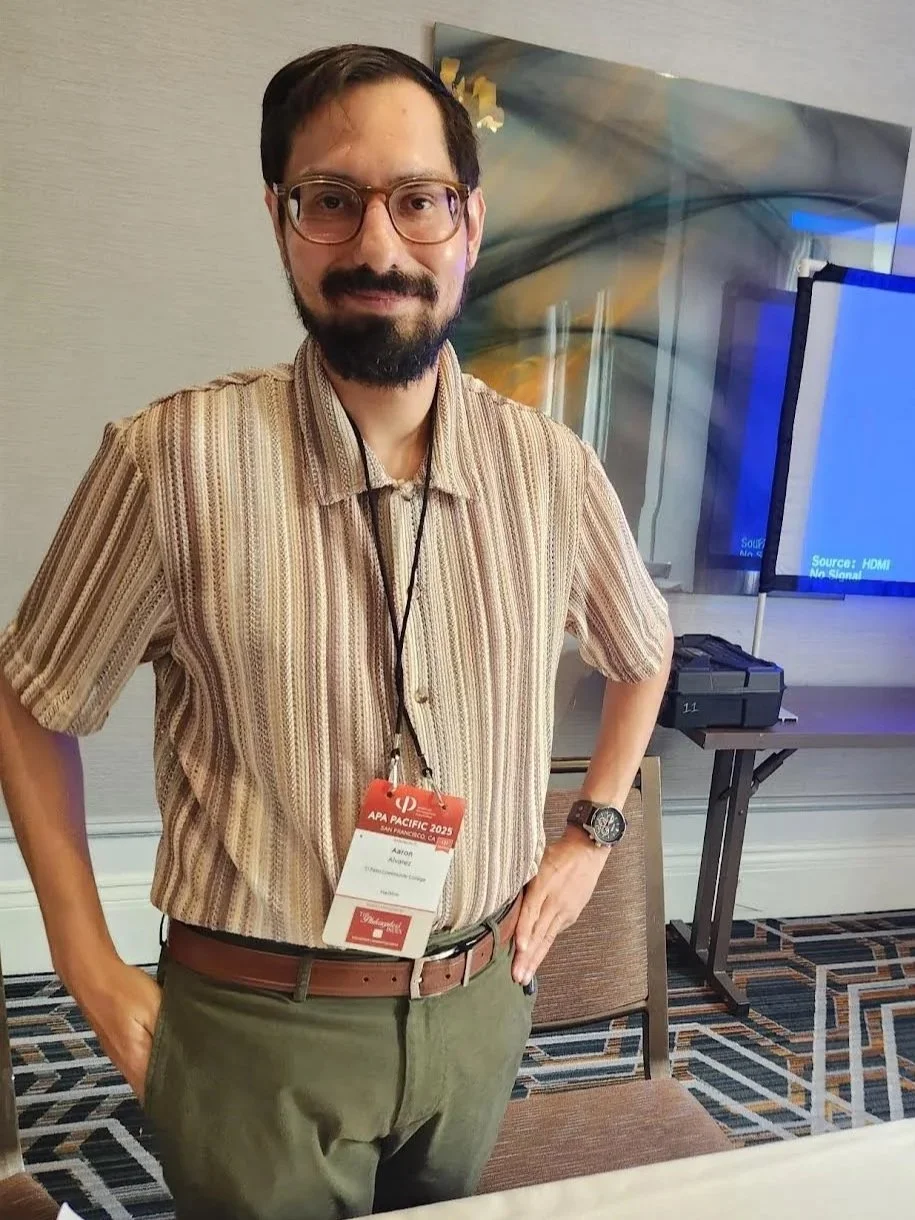
Aaron Alvarez, Treasurer
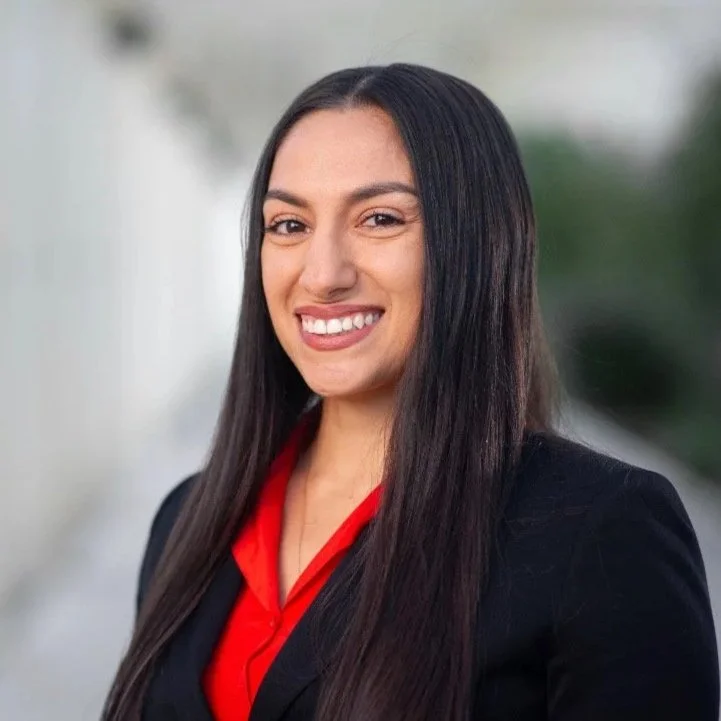
Dr. Denise Meda-Lambru, Secretary
-
Dr. Alejandro Santana is Associate Professor of Philosophy, E. John Rumpakis Professor of Hellenic Studies, and Program Coordinator for Ethnic Studies at the University of Portland. He is also Co-chair for the Instituto de Cultura y Arte In Xochitl In Cuicatl. His research interests include Ancient Greek philosophy, Native American philosophy, and Latin American socio-political issues related to colonialism and imperialism. His publications appear in Ancient Philosophy, Philosophical Inquiry, the Inter-American Journal of Philosophy, the American Philosophical Association Newsletter on Hispanic/Latino Issues in Philosophy, and the American Philosophical Association Newsletter on Native American and Indigenous Philosophy. He teaches courses in Native American Philosophy, Ancient Philosophy, Ancient Greek Metaphysics in Context, Logic, and Ethics.
-
Dr. Manuela Alejandra Gomez is a Philosophy Professor at El Paso Community College. She has over 20 years of teaching experience on both sides of the U.S.-Mexico border. She specializes in philosophical pedagogy, ethics, feminism, visual literacy, and Latin American philosophy. Beyond academia, she is also a journalist concentrating on the complex dynamics of U.S.-Mexico border politics. She currently serves as the vice president of the Society for Mexican American Philosophy. She is also an active member of both the Hispanic and Latinx Philosophy and Teaching Philosophy committees of the American Philosophical Association. In recognition of her outstanding teaching, Dr. Gomez was named a Minnie Stevens Piper Professor in 2022, one of Texas' highest honors for excellence in education. Her scholarly contributions were further recognized in 2023 with the Outstanding Dissertation Award from the University of Texas at El Paso. In 2024, she was inducted into the El Paso Women’s Hall of Fame for her work in public service.
-
Aaron Alvarez is a PhD candidate at the University of Texas at El Paso and a full-time lecturer in philosophy at El Paso Community College. His research interests include political philosophy and comparative philosophy, with his current work focusing on the philosophy of education, Latin American philosophy, and epistemology.
-
Denise Meda-Lambru (she/her/ella) is an Assistant Professor at the University of North Texas Department of Philosophy and Religion. Her scholarship builds with Latin American philosophy and Latina/x feminisms, especially on topics related to aesthetics, collective memory, death, and decolonial theory. Her recent project focuses on communal interpretations and practices of death from non-western philosophical traditions. She takes an interdisciplinary approach to study Day of the Dead/Día de los Muertos altars, especially those taken up by marginalized communities to theorize aesthetic, political, spiritual, and ethical expressions of death.
Meda-Lambru’s essays are published in journals including The Pluralist, The Journal of World Philosophies, and The Inter-American Journal of Philosophy.
Advisory Board
-

Dr. Rocio Mercedes Alvarez
Former Secretary
-
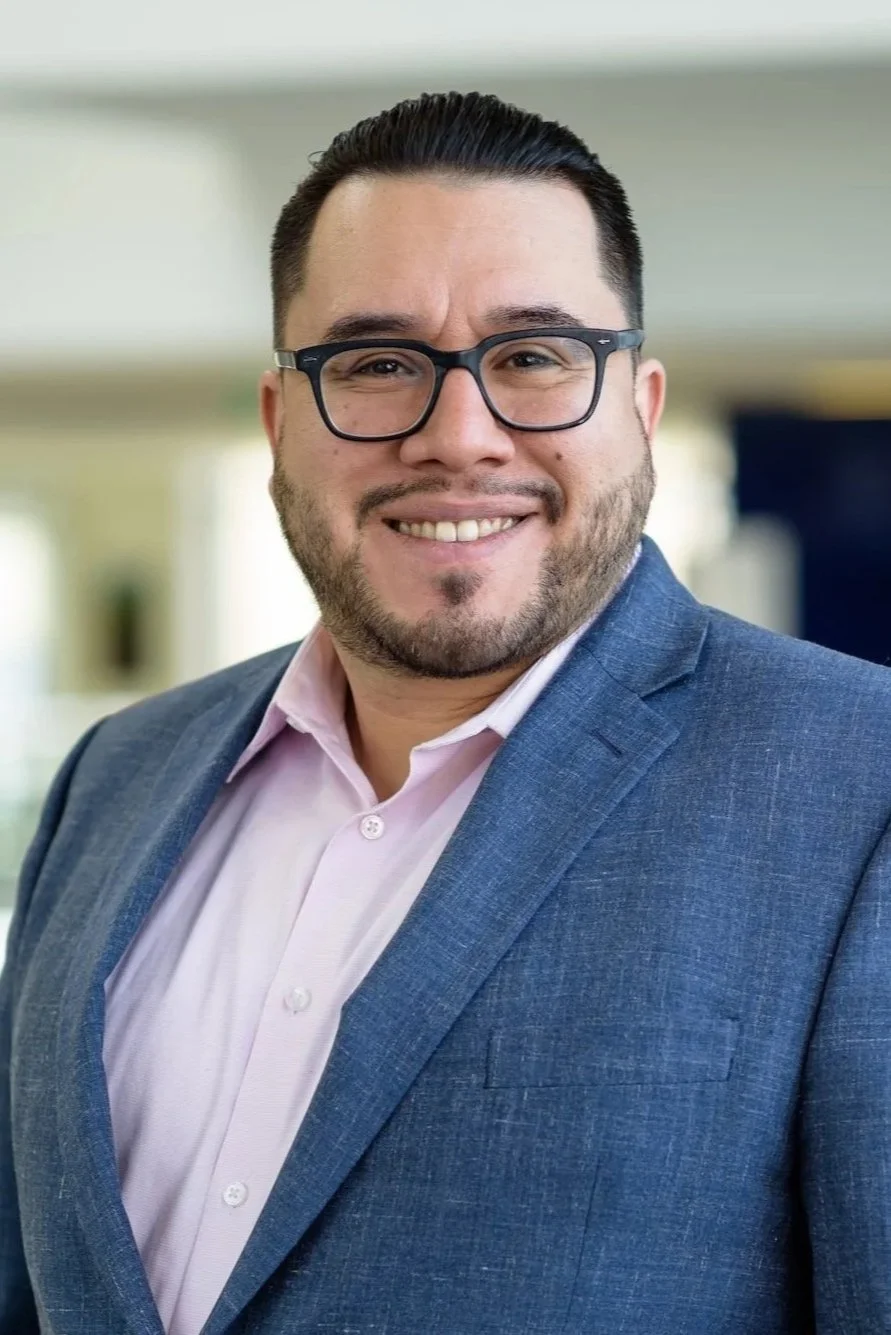
Dr. José Jorge Mendoza
Former Treasurer
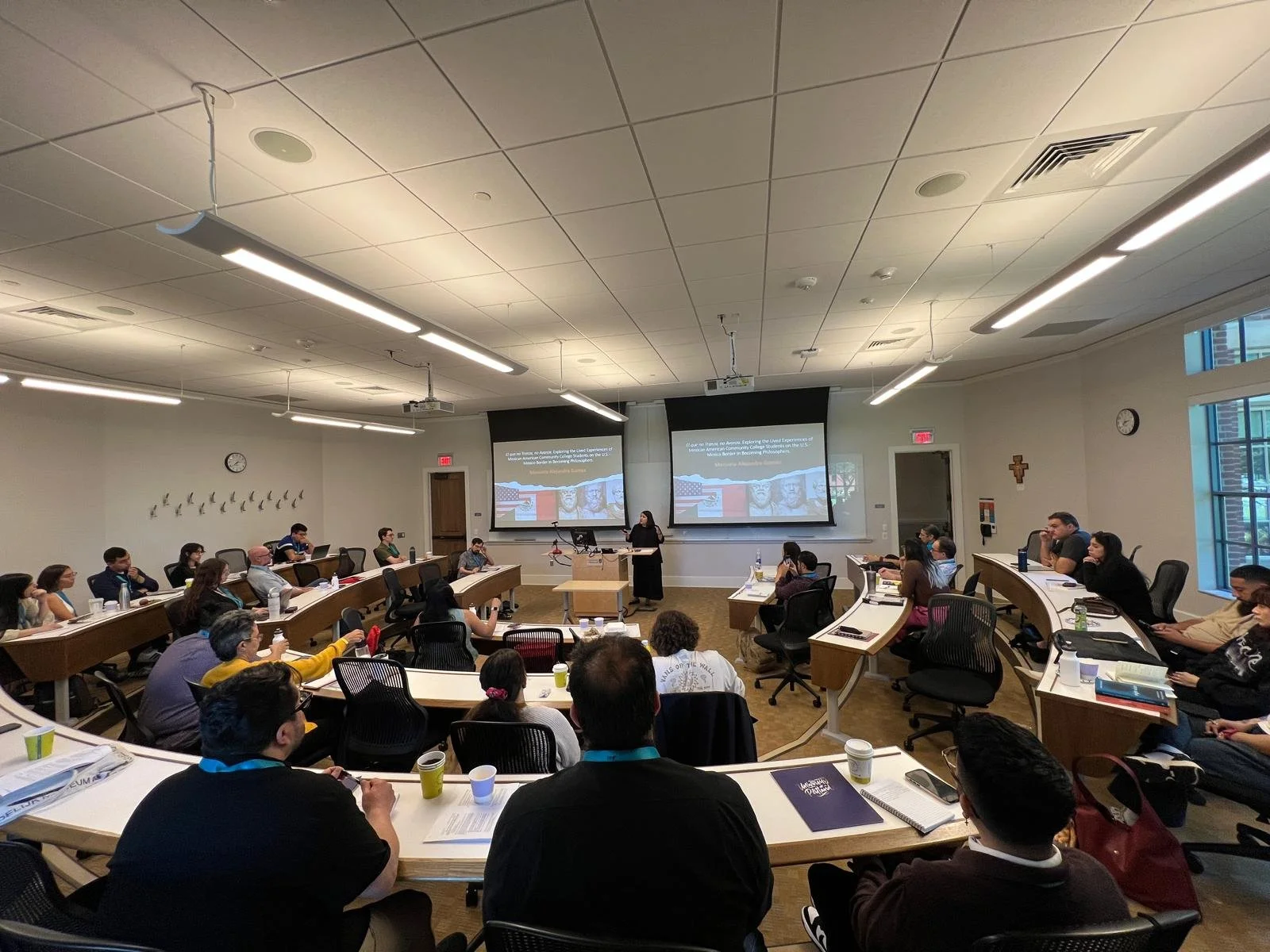
Get Involved
Join us in fostering a dynamic philosophical community dedicated to scholarship, dialogue, and meaningful engagement. We explore critical issues of social justice, identity, citizenship, and indigeneity while honoring the rich philosophical traditions of Mexico and its indigenous peoples. By participating, you contribute to a space that challenges oppression, inspires action, and shapes the future of ethical and political thought.